


A story of survival
By the Skin of My Teeth
Original Portuguese title: Por um triz
The incredible story of Sara and Jacó Szyfer’s survival of the Holocaust
A moving account of courage, hope and survival during one of the darkest periods in human history. By Jorge Toledo.
English edition: not yet available for purchase.The book can already be read on Kindle in Portuguese, Spanish and Hebrew.

Cover of the English edition
The book
An extraordinary journey of resistance
The incredible story of Sara and Jacó Szyfer’s survival of the Holocaust — a moving account of courage, hope and survival during one of the darkest periods in human history.
- Łódź Ghettoyouth under occupation
- Auschwitzdeportation and survival
- Bergen-Belsenthe final months of the war
- Freedomrebuilding a life
The chapters
- Prologue
- Lodz
- Childhood
- The Ghetto
- The Mother
- The Father
- Jacó
- Life in the Ghetto
- Goodbye, Lodz
- Work Sets You Free
- Kolejka — The Line
- The Death March
- The Miracle
- The Horror
Preface — “A book that changes lives”
“Books change lives because they not only inform us but make us live someone else’s experience. […] Knowing about the Holocaust is not enough; you must feel the horror to truly understand. This book delivers that. It’s harsh but necessary. […] He didn’t just write a book—he wrote a book that will change lives.”
 Thales Guaracyjournalist, novelist and editor
Gallery
Records of an era
Photographs and archival documents that bear witness to the journey of Sara and Jacó Szyfer.
On the Way to Chelmno
Group of children from the Łódź Ghetto on their way to the Chelmno extermination camp.
Łódź in the 1930s
Buildings in central Łódź inhabited by Jews in the 1920s and 1930s.
Slave Labor
A prisoner working in the workshops of the Łódź Ghetto.
Work Sets You Free
Gate at the main entrance of the Auschwitz I extermination camp.
A Postcard
The main entrance of the Łódź Ghetto, portrayed as a tourist attraction on a postcard of the city.
Winter
The book’s cover: a freight wagon inside the Auschwitz-Birkenau camp, in a winter in the 2020s.
The Orphanage
Mother and children: a family of ghetto prisoners comforting one of their children, a prisoner in the Łódź Ghetto “Orphanage.”
Lists and More Lists
Copy of an original document listing “residents” of the Łódź Ghetto.
Give Me Your Most Precious Possessions
In this speech, Chaim Rumkowski asks that children and the elderly be handed over for extermination at Chelmno, in September 1942.
Protokol: Dona Sara
Copy of the document registering Dona Sara as a “resident” of the Łódź Ghetto.
A One-Way Journey
A Jewish family from the Łódź Ghetto boarding the train to the Chelmno extermination camp.
The path to liberation
Map of the rescue routes of the White Buses operation, which took Sara from Bergen-Belsen, through Denmark, to hospitals in Sweden, at the end of the war.
Slave Labor
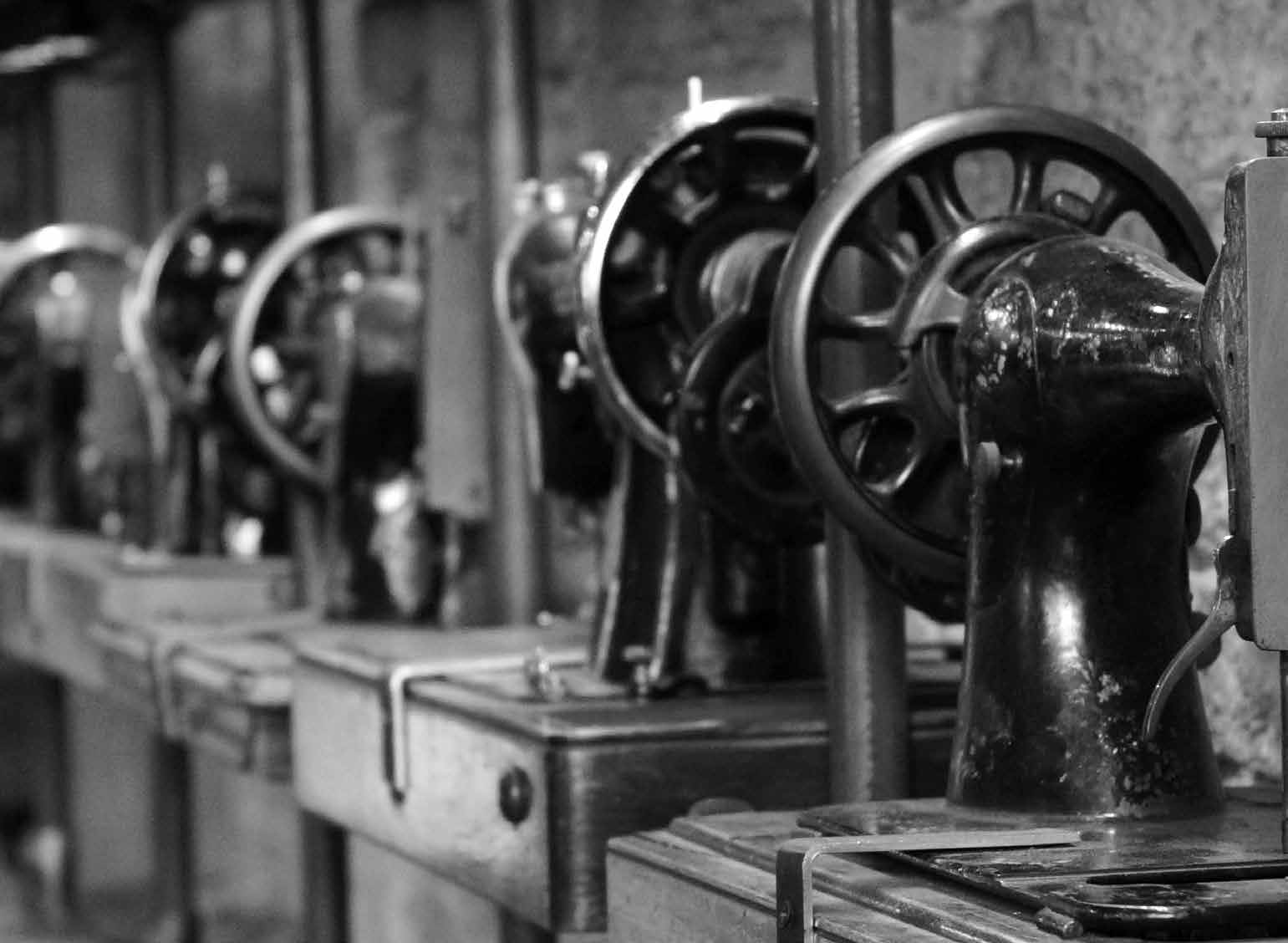
Sewing workshop with prisoners of the Łódź Ghetto supplying the Nazi army.
Bound for Auschwitz
The last group of prisoners, with Rumkowski at the front, on their way to the train to Auschwitz-Birkenau.
Daily Life in the Łódź Ghetto
Footbridge that connected the two sides of the ghetto, linking the residential area to the slave-labor workshop zone.
Protokol: Mr. Jacó
Copy of the document registering Mr. Jacó’s “residence” in the Łódź Ghetto.
Sara’s Address
Map of the Łódź Ghetto used in researching the book, with Sara’s residence marked: Brzezinska 46.
The Death Marches
Map of the major Death March routes from Auschwitz, January 1945.
Suitcases
Personal belongings of deportees, now on display in a museum.
The Barracks
Between 1942 and 1943, at Auschwitz, women and their children were housed apart from the others in barracks like this one, sleeping stacked on wooden boards with no mattresses, heating or blankets.
Winter at the Camp
Concentration camp barracks covered in snow.
Radegast Station
The railway station from which the trains deporting people from the Łódź Ghetto departed.
Sample — chapter “Childhood”
An excerpt from the book
Sara’s real name was Szajndla. The name, of Polish origin, was difficult for many, especially Brazilians, to pronounce, which likely led to her being called Sara. Her parents, Hersz and Chana Figelska, were Polish Jews.
[…]
Sadly, the memories Sara carried from her childhood and adolescence were few and tinged with sorrow. The Second World War swept away much of her early life. She was only 19 years old when everything changed.
Get the book
Available editions
The English edition is not yet available for purchase. In the meantime, the book can be read on Kindle in Portuguese, Spanish and Hebrew, in the Amazon stores below.


Prefer a printed copy? The Portuguese edition, autographed by the author with an optional personal dedication, is available at the online store. See that option here (page in Portuguese).
Contact